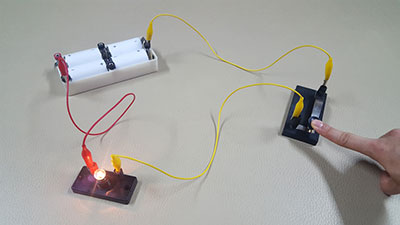
A simple electrical circuit

Return Current: How To Handle Current Return Paths in a Circuit

The electrical return/return current path is one of the fundamental aspects to consider when designing a circuit. This aspect is even more vital when designing PCBs because they feature tiny current paths compressed into a compact package. And as the demand for tiny PCBs grows, the operating current/voltage in these circuits has reduced dramatically. These […]

Learn More >
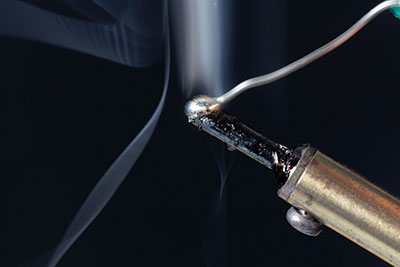
Molten solder at the tip of a soldering iron

What Is the Melting Point of Solder?

Whichever form of solder you use (wire or paste solder), the material turns to liquid at a specific solder melting temperature. The primary factor that determines this melting point is the material’s composition. We will look at these different solder compositions and the temperatures at which they melt to determine their most suitable applications. Read on […]

Learn More >
PCB Copper Weight

PCB Copper Weight – The Ultimate Guide To How To Apply Perfectly

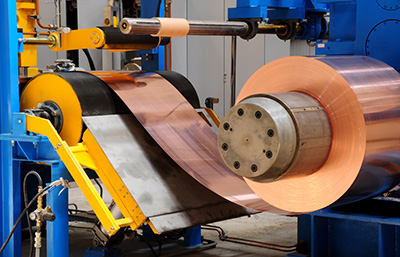
Printed circuit boards (PCBs) are among some of the most complicated components of any electrical device. Many small things come together to create a properly functioning PCB. PCB copper weight is one of these many things that must be wholly understood and micromanaged when manufacturing PCBs. Because it is such an intense conductor, copper is […]

Learn More >